How to Choose a Private Gaudí Tour That Fits Your Barcelona Plans
Choosing a private Gaudí tour in Barcelona is less about finding the most famous buildings and more about matching the visit to your pace, interests and schedule. Gaudí’s work is spread across the city, and each site rewards a different kind of attention. A good plan should feel smooth from the first stop to the last, with enough room for the details that make the architecture memorable.
The process starts before you compare tour options. Decide what kind of day you want, where you are staying and how much ground you are willing to cover. That early clarity makes the rest much easier, especially when the same city can be presented through architecture, history, design or a broad cultural introduction.
Set the purpose of the visit first
Begin by deciding what you want to get from a private Gaudí tour Barcelona itinerary. Some visitors want a clear introduction to the main landmarks. Others want time to study architectural details, from façades and curves to light, colour and structure. There is also a practical difference between a tour that focuses on one building and a route that links several sites across the city.
What to watch: be honest about attention span and energy. A route that includes Sagrada Familia, Park Güell and Casa Batlló may sound efficient, but it can feel rushed if you want to linger. A focused visit to one or two sites often gives more value than a long list viewed in passing.
Choose the buildings that suit your interests
Gaudí’s work is varied, so pick sites that match the experience you want. Sagrada Familia tends to suit visitors drawn to scale, light and symbolism. Park Güell works well for open spaces, colour and views. Casa Batlló and La Pedrera suit those interested in interiors, domestic design and the smaller details of everyday life transformed into architecture.
What to watch: avoid choosing only by name recognition. Think about what each place offers and how much time you want there. If your priority is guided commentary on design, a house or apartment building may be more rewarding than a quick exterior stop. If you want a sense of the city around the architecture, a route that includes the Gothic Quarter can add context, though it shifts the focus away from Gaudí alone.
Check how the route fits your location and timing
Once you have a shortlist of sites, look at the order of the route. Barcelona is easy to move around, but crossing the city at the wrong time can eat into the visit. A private tour should have a sensible flow, with travel time treated as part of the plan rather than an afterthought.
What to watch: consider where you start and finish. If you are staying near the city centre, a route beginning at a nearby landmark may feel easier. If you want a quieter start, an early visit to a major site may help. Check whether the itinerary allows a clear meeting point, realistic breaks and enough time between stops.
Some visitors also compare providers while planning, and the name privatetourinbarcelona.com may come up during that search. Keep the comparison practical by looking at how the route is described, how long each stop lasts and whether the plan matches the way you like to explore.
Understand what private really means for your day
A private visit is usually valued for flexibility and focus. That does not mean every detail is unlimited. The best approach is to read the outline carefully and see where there is room for questions, slower looking around or changes of pace.
What to watch: check whether the tour is fully private or simply a smaller format. Look for clear wording about who is in the group and how the visit is structured. If you are travelling with children, older relatives or someone who prefers fewer stairs, raise those needs before committing. A plan that works on paper may still be uncomfortable if it involves long walks or tight transitions.
Look closely at entry arrangements
Popular landmarks can involve queues and timed entry. When comparing a private Gaudí tour Barcelona option, check whether entry arrangements are included in the plan and how they are described. Skip-the-line access can matter at busy sites, but it is only useful if the rest of the itinerary is well paced.
What to watch: read the wording with care. A tour may mention entry support, reserved access or a separate ticket arrangement, and those are not always the same. Confirm what happens at the meeting point, what needs to be ready on the day and whether there are any set times that cannot be changed.
Assess the quality of the commentary
The right commentary turns a building visit into a clearer experience. Gaudí’s work can be dense with symbols, natural forms and structural ideas. Good explanation helps you see why a curve matters, how light changes a space or why a pattern repeats across a façade.
What to watch: look for a balanced description rather than a list of famous facts. If the focus is architecture, the commentary should make architectural details understandable without turning the tour into a lecture. If the focus is general culture, it should connect the buildings to the wider city without losing the subject. The tone matters too, since a private setting should leave space for questions.
Match the pace to the people travelling
A tour that suits one group may not suit another. Couples, families, solo travellers and mixed-age groups often need different rhythms. Think about walking distance, standing time, noise levels and the chance to sit down between stops.
What to watch: build in breathing room. A packed itinerary may be useful if you only have a short window, but it can make the day feel mechanical. If the visit is part of a longer stay, leave time after the tour for a café, a short walk or simply a pause. Barcelona rewards unhurried observation, and Gaudí’s details are easy to miss when the schedule is too tight.
Review practical details before booking
Before making a decision, read the full itinerary and compare it against your own plans. The aim is to avoid surprises on the day. A clear tour description should help you picture the visit from arrival to finish.
- Check the meeting point and whether it is easy to reach from your accommodation.
- Confirm the duration, including travel between stops and any breaks.
- Read what is included so you know which parts are guided and which are independent.
- Ask how changes in weather might affect outdoor stops.
- Review the cancellation terms and any rules that affect your plans.
What to watch: vague wording can hide a rushed plan. Phrases like a full city experience may sound appealing without saying what you will actually see. A useful itinerary names the places, explains the order and sets expectations about time.
Compare value rather than the length of the list
A longer tour is not automatically the better choice. The value lies in how well the sites are chosen, how clearly they are explained and how comfortably the day runs. A shorter route with thoughtful guided commentary can be more satisfying than a full schedule that leaves little room to look closely.
What to watch: think about the mix of buildings. A route with several interiors can feel rich but tiring. A route focused on exteriors may move faster but offer fewer chances to understand the spaces. If architecture is the reason for the trip, prioritise depth. If this is a first visit to Barcelona, a broader route may be more useful.
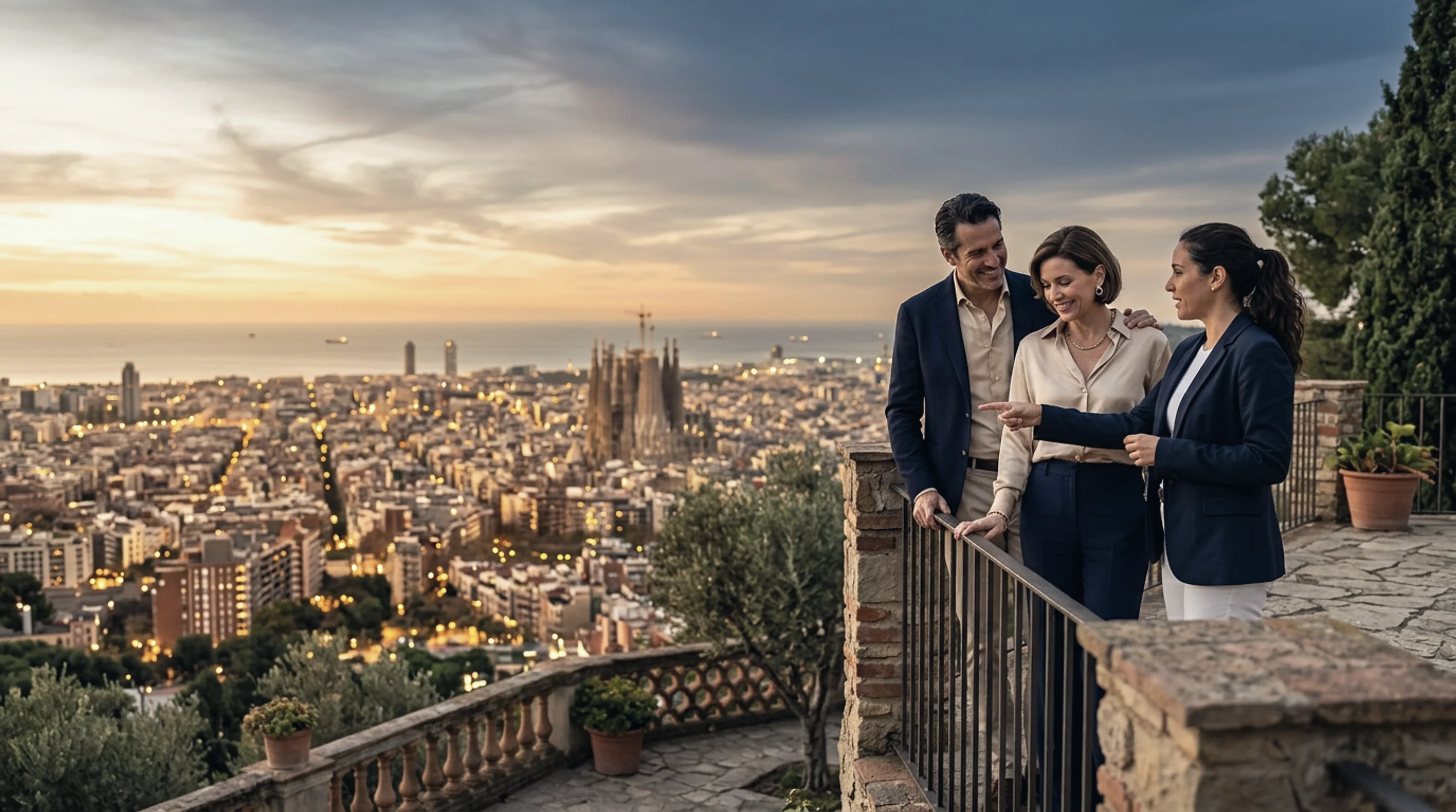
When the details start to blur, return to the basic question: what do you want to remember? The answer will usually point to the right balance of landmarks, pace and explanation. privatetourinbarcelona.com can be one reference point during that comparison, but the decision should rest on the itinerary itself and how well it fits your day.
Make the final choice with a clear plan
After narrowing the options, choose the tour that gives you the clearest structure and the least friction. Check the start time, route order, entry details and level of commentary one last time. If something feels uncertain, clarify it before booking rather than relying on assumptions.
A well chosen private Gaudí tour should leave you with more than photographs. It should help you notice how the buildings work, how they sit in the city and why they still draw attention. When the route, pace and explanation line up, the visit feels focused without feeling forced, and the architecture has room to speak for itself.